Picture this: a quiet 15-year-old Ghanaian boy, fresh off his one-year anniversary in America, steps out of his Mott Haven home on a Thursday morning, books in mind, dreams of becoming a doctor still burning. Javits Frimpong never made it to DreamYard Preparatory School. Three masked teens ambushed him near East 171st Street and Crotona Place, put a bullet in his abdomen, and vanished. He ran a block, collapsed, and died at St. Barnabas Hospital. Just like that.
The streets of Claremont are still buzzing. Neighbors saw the chase. Surveillance caught the horror—Javits in his jacket sprinting while a figure in all black closed in, two more across the street in surgical masks. No arrests. Zero. The NYPD is hunting three teenage suspects in black sweatsuits, but the clock keeps ticking and the community’s patience is running thin.
His father, Thomas Frimpong, is not holding back. Days before the shooting, the school principal called. Two students had been bullying Javits. They got suspended for a week. Thomas says his son was quiet, kept to himself, stayed home playing on his phone. “I thought that was all,” he told reporters. Now he is left wondering if those school problems followed his boy onto the street. The family insists the suspensions and the ambush are connected. Police have not confirmed it, but the Ghanaian community is not waiting for confirmation. Vigils lit up the block with candles, balloons for every year of Javits’s short life, and Ghana flags. Mourners poured into the street demanding answers and safer routes for kids walking to school.
Javits had left Ghana to live with his dad, chasing a better future. His mother, Doris Adu Gyamfi, was still back home when the call came. The distance hit hard. Enter the high-level scramble. New York City Mayor Zohran Mamdani got on the phone with President Trump. Result: an immediate visa for Doris. Ghana’s Foreign Minister Samuel Okudzeto Ablakwa jumped in, confirming the Ghanaian government will cover her full travel costs and stand ready to help with a dignified funeral. “Our own Kwame Mamdani,” Ablakwa called the mayor. The mother is now set to fly in and say goodbye in person.
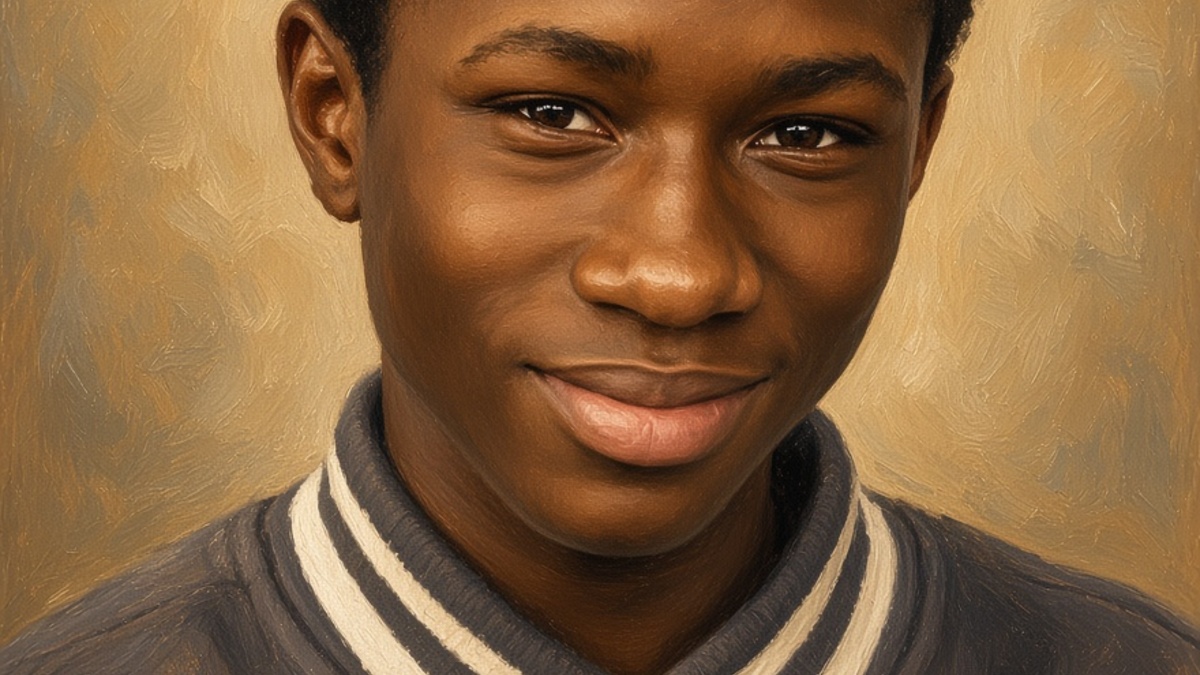
Memorials keep growing. Photos of the smiling teen in his green letterman jacket sit among flowers and notes. Classmates and neighbors call him amazing, quiet, focused. He wrote in his diary about figuring out who he was and how people try to bring you down when you start winning. The aspiring doctor’s words are now circulating like a final message.
Ghanaian and African communities across New York and back home are treating this as more than one killing. Protests and prayer gatherings are pushing for better school safety, faster police response, and protection for immigrant kids who just want to walk to class without looking over their shoulders. The Claremont block where Javits fell has become a temporary shrine. Grief counselors are on the ground. The mayor’s office sent resources. Still, three masked teens remain free, and the question hanging over every conversation is simple and sharp: how does a boy leave for school and never come back in broad daylight?
Thomas Frimpong is left with an empty apartment and a key that no longer needs sharing. Doris is packing for the longest flight of her life. The suspects are still out there. And every morning in the Bronx, parents are watching their kids walk a little closer.