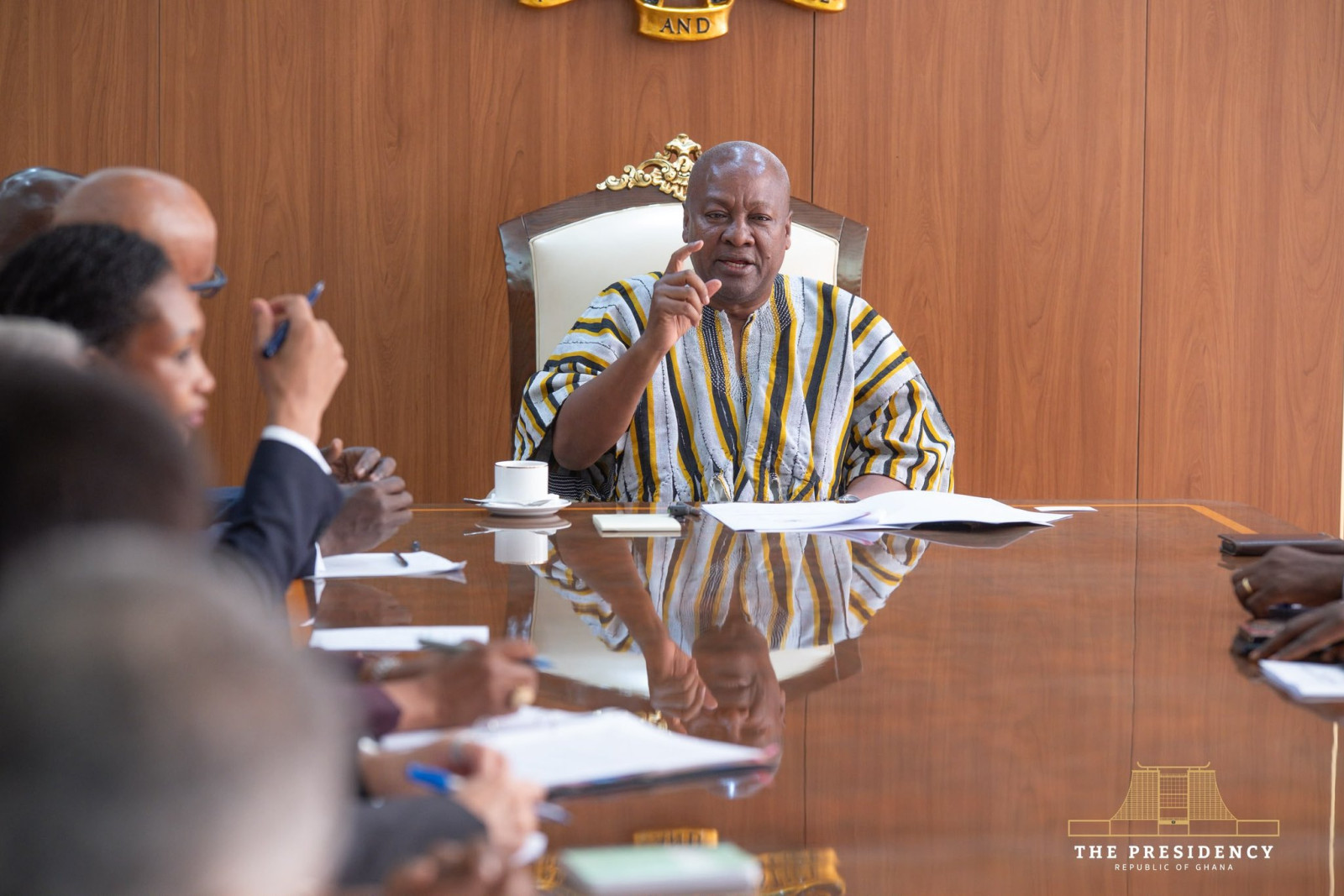
President John Dramani Mahama has revealed that the United States wants another look at the $109 million health compact Ghana rejected earlier this year. Speaking during a citizens’ engagement in Goaso, Ahafo Region, as part of his Resetting Ghana Agenda Tour, Mahama said American officials have reached out and are prepared to sit down and discuss the clauses that caused the deal to be thrown out.
The original five-year agreement was meant to replace some of the health funding Ghana used to receive through USAID. Cabinet rejected it in record time after the Ministry of Health raised serious red flags. Key sticking points included demands for Ghana to hand over its pathogen profile and citizens’ medical records, a requirement for Ghana to put up counterpart funding, and a clause that would have stopped the Food and Drugs Authority from inspecting certain medical products coming into the country.
Mahama has been blunt about those terms. In New York last month he described them as “humiliating” and asked a simple question that still resonates: “Who takes another country’s medical records?” He said Ghana told the US ambassador it would manage its health needs itself rather than accept conditions that touched on national sovereignty and data privacy.
Now the Americans are signalling flexibility. According to the President, they want to review the agreement so that the parts Ghana objects to can be amended or removed. “We will sit down with them and discuss,” he told the gathering in Goaso.
The development comes at a time when many African governments are becoming more cautious about the strings attached to foreign health assistance. Ghana’s firm stance earlier this year was seen by some as a signal that Accra is prioritising control over its own health data and regulatory systems, even if it means walking away from substantial funding.
Whether the two sides can bridge the gap remains to be seen. Mahama made clear that Ghana is open to dialogue but has not softened its position on the core issues that led to the rejection. For now, the door is open for fresh talks, and both sides appear willing to walk through it.