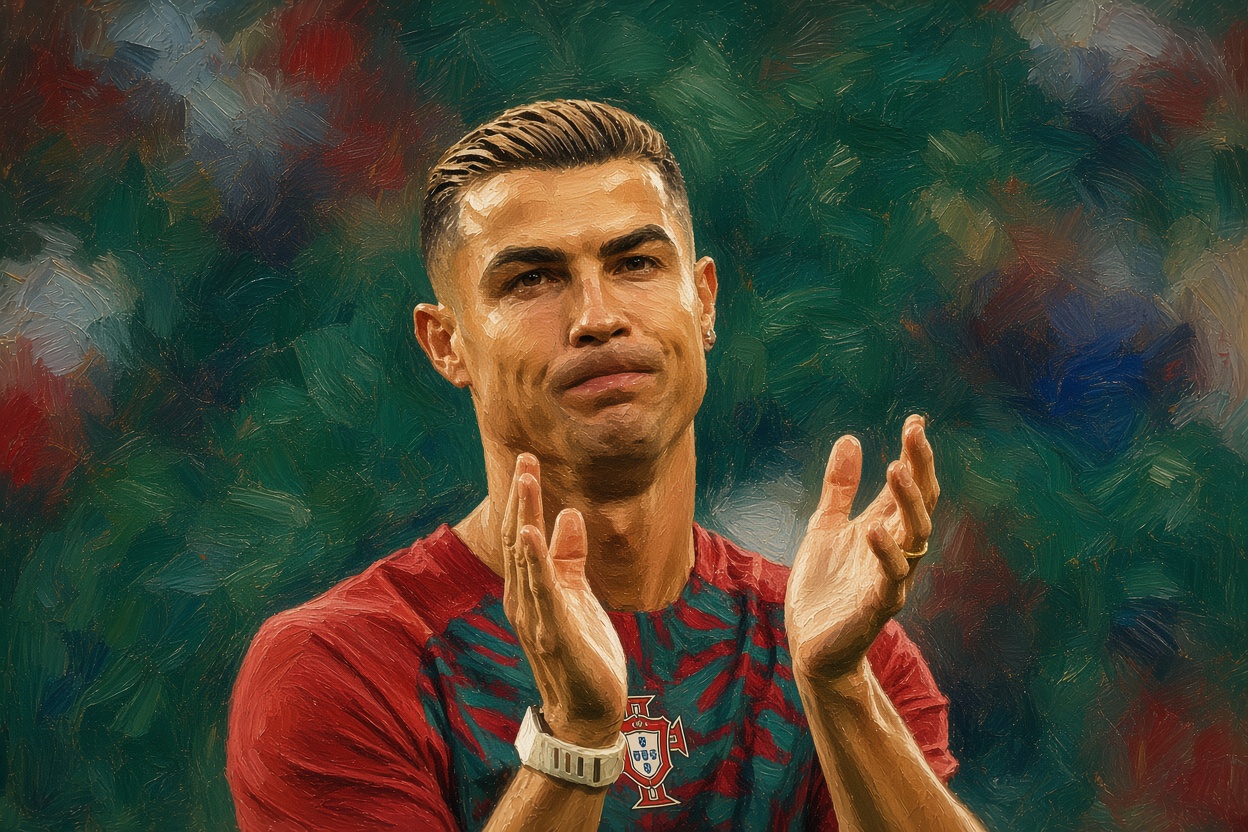
Cristiano Ronaldo has finally spoken. The Portugal captain, the man who has carried the national team for years, issued a long statement explaining why he walked out of the Nations League camp and made it clear that he is not retiring from international football. He says he remains available once any suspension is served, provided he stays fit and continues scoring for his club.
The walkout happened after Portugal’s 2-1 win over Norway on 27 September 2026. Ronaldo sat unused on the bench the entire match. Then coach Jorge Jesus told the media that the 41-year-old would not start the next game against Denmark either. Ronaldo packed his bags and left the camp in Copenhagen. That decision sparked questions about his future with the Seleção.
In his nearly 2,000-word statement, Ronaldo gave his version of events. He said that after the 2026 World Cup he had already prepared a retirement letter to the Portuguese people. Federation president Pedro Proença asked him to reconsider and stay. A new coach, Jorge Jesus, was appointed. According to Ronaldo, Jesus agreed on a fitness management plan. The plan reportedly included Ronaldo missing the Norway and Denmark matches so he could recover properly. On the day of the Norway game, however, Jesus asked if Ronaldo could play 30 minutes. Ronaldo warmed up from half-time and watched the clock run down without being called. He described this as the first broken promise.
A second incident followed. Ronaldo said there was an agreement on how the situation would be presented to the media. When Jesus spoke to the press, the tone and content did not match what had been discussed privately. Ronaldo called it an absolute breach of trust and a high-and-mighty attitude he had not experienced before. He decided to leave rather than wait for another broken word. He stated that truth remains the most important thing in relationships between people.
At the same time Ronaldo accepted full responsibility for walking out. He apologised to his teammates for leaving the camp. He apologised again to the Portuguese people. He said the Portuguese Football Federation must assess the consequences of his actions and punish him, and that the punishment should not be reduced. As captain, he argued, he should face heavier sanctions because the rules apply equally to everyone.
On the question of retirement, Ronaldo was direct. He said there will be time for one or more farewell matches, but that is not his focus now. When he thinks of the national team he thinks of competing and winning. His exact words were clear: if he is physically fit, playing for his club and hopefully scoring goals, after serving whatever suspension is imposed, he will be available as he has always been until today to compete and win for the national team. He described that as the purest of truths.
This statement has created a talking point among observers of Portuguese football. On one side is the issue of trust between a long-serving captain and a newly appointed coach. Ronaldo presented the walkout as a response to repeated breaches of agreements rather than a simple reaction to being benched. Jesus has publicly left the door open for Ronaldo’s return and denied that a formal agreement of the kind described existed in the way Ronaldo claimed. The federation has so far remained focused on the remaining squad and the Nations League fixtures. Portugal have continued to collect results in the competition.
The age factor sits in the background of every discussion. Ronaldo is 41. He continues to score goals for Al-Nassr. His international record stands at a high level of appearances and goals. The question that follows his statement is whether the relationship with Jesus can be repaired enough for both sides to work together again after any suspension period. Ronaldo has placed the decision on availability in the hands of his physical condition and the federation’s disciplinary process. He has not closed the door.
Commentators examining the statement note the careful balance Ronaldo struck. He criticised the coach’s handling of promises while taking ownership of the decision to leave the camp. He asked for punishment rather than leniency. He separated the personal dispute from any permanent exit from the national team. That combination has kept the story open rather than closed. Fans and analysts now wait for the federation’s next move on discipline and for any public response from Jesus beyond the earlier comments that the door remains open.
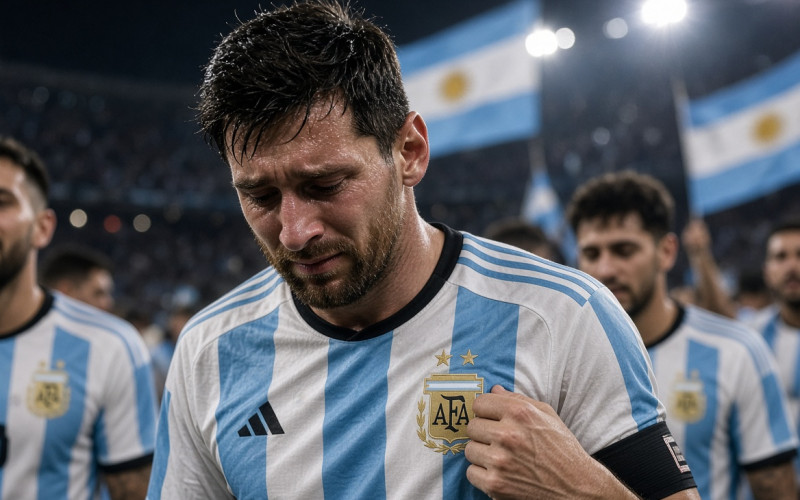
The timing of the statement added another layer. It arrived shortly before Lionel Messi’s farewell appearance with Argentina. Ronaldo’s message was that his own international chapter is not yet finished. He has framed the walkout as a specific incident driven by broken trust, not as the end of his service to Portugal. Whether that framing holds once the suspension is served and selection decisions resume will be the next chapter of this episode.
Ronaldo’s statement has therefore shifted the conversation from speculation about retirement to questions of accountability, trust between player and coach, and the practical path back into the squad. He has apologised, accepted the need for punishment, and restated his availability under clear conditions. Those are the facts he put on record. The Portuguese Football Federation, Jorge Jesus, and the results of any disciplinary process will determine what happens next. Until then the national team continues without him in the immediate fixtures while the longer-term question of his involvement remains open according to his own words.